Hidden Renovation Costs in Singapore Nobody Tells You About (2026 Guide)

Renovation budgets in Singapore rarely exceed because homeowners choose luxury finishes. More often, costs rise due to unforeseen site conditions, missing scope items, regulatory requirements, and coordination issues that were not obvious at the quotation stage.
Understanding these hidden costs in 2026 can help you avoid budget overruns and stressful disputes.
💰 1) Site Condition Surprises (The Biggest Cost Driver)
Especially common in resale properties.
Examples:
-
Hidden water leaks behind tiles
-
Uneven flooring requiring additional screed
-
Damaged plumbing or corroded pipes
-
Structural constraints discovered during hacking
-
Illegal previous modifications needing correction
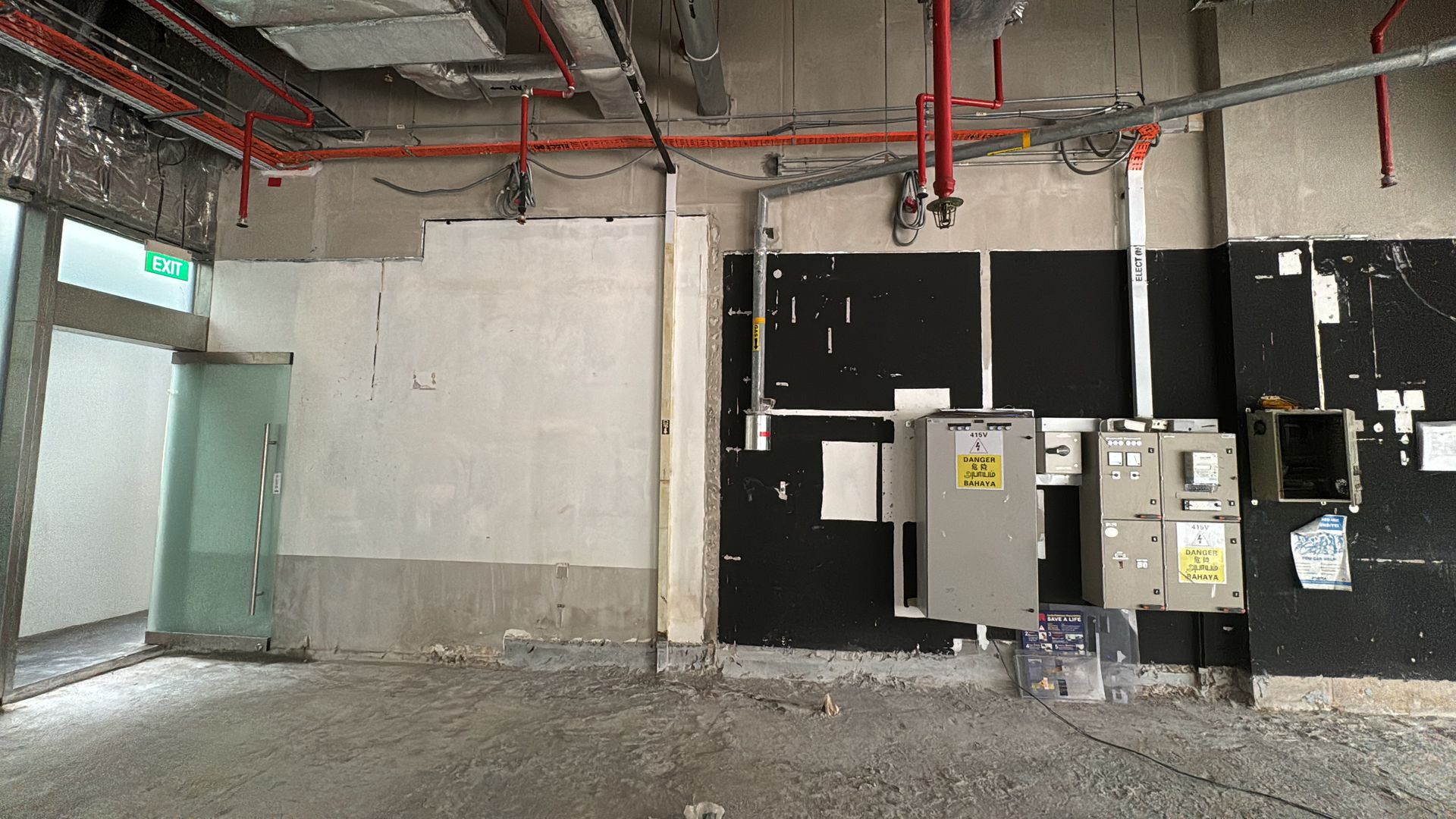
These issues cannot always be detected until demolition begins.
👉 Typical additional cost: $2,000 – $15,000+
⚡ 2) Electrical Upgrades & Additional Points
Homeowners often underestimate electrical work.
Hidden drivers include:
-
Insufficient existing circuits
-
DB box upgrades
-
Additional aircon points
-
Smart home provisions
-
False ceiling lighting requirements
-
Appliance power needs
Electrical works can expand significantly once furniture layout is finalized.
👉 Typical additional cost: $1,500 – $8,000+
🚿 3) Plumbing Modifications
Moving sinks, toilets, or washing machines is not simple.
Costs may arise from:
-
Floor hacking for pipe rerouting
-
New water inlet points
-
Relocation of floor traps
-
Waterproofing reinstatement
-
Pressure testing requirements
Condo projects may also require management approval.
👉 Typical additional cost: $1,000 – $6,000+
🧱 4) Hacking & Disposal Costs
Demolition costs are often underestimated.
Factors affecting price:
-
Thickness of concrete screed
-
Quantity of tiles
-
Accessibility of unit
-
Disposal fees
-
Protection works for common areas
Some quotations only allow for limited hacking scope.
👉 Typical additional cost: $1,500 – $10,000+
🛋️ 5) Carpentry & Customization Changes
Built-in furniture is highly customizable — and changes add up quickly.
Hidden costs arise from:
-
Upgrading laminate or finishes
-
Additional storage compartments
-
Soft-close hardware upgrades
-
Internal accessories
-
Site measurement adjustments
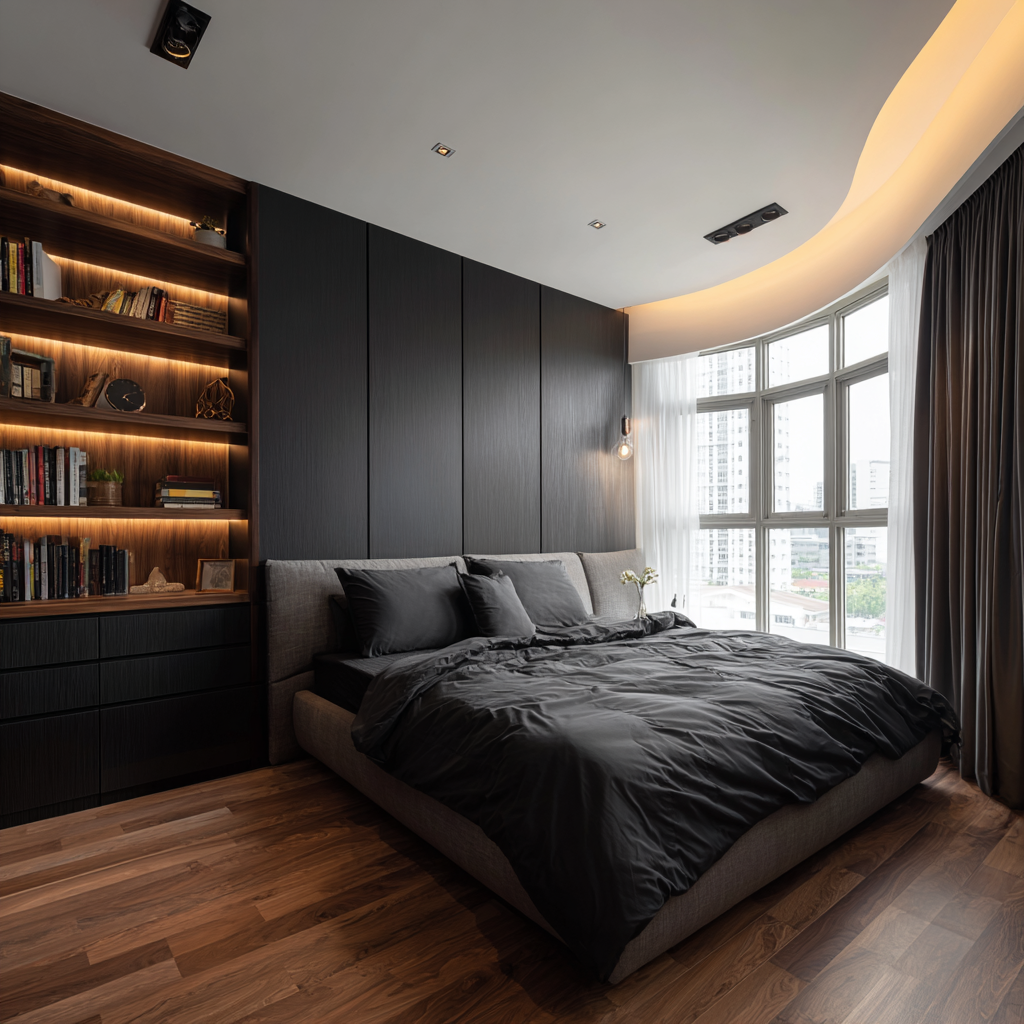
Even small design changes after confirmation can trigger variation orders.
👉 Typical additional cost: $2,000 – $12,000+
📦 6) Temporary Accommodation & Storage
Often overlooked in resale renovations.
Costs may include:
-
Rental during renovation
-
Hotel or short-term stay
-
Storage for furniture
-
Moving services (multiple trips)
Longer renovation timelines increase these expenses significantly.
👉 Typical additional cost: $1,000 – $8,000+
🏢 7) Permit, Management & Compliance Fees
For condominiums and some HDB works:
-
Renovation deposits
-
Management approval fees
-
Lift protection charges
-
Working hour restrictions (affects timeline)
-
Additional insurance requirements
These are not part of construction work but still affect total budget.
👉 Typical additional cost: $500 – $5,000+
⚠️ 8) Variation Orders (VO) from Scope Gaps
Variation orders are the most controversial cost increases.
Common causes:
-
Missing items in quotation
-
Assumptions not clarified
-
Design changes mid-project
-
Site conditions differing from expectations
A cheaper initial quote often carries higher VO risk.
👉 Potential increase: 5% – 30% of project value
🧠 How to Protect Yourself from Hidden Costs
Before signing any renovation contract:
✔ Request detailed itemized quotations
✔ Confirm inclusions and exclusions
✔ Ask about assumptions on site conditions
✔ Clarify payment schedule
✔ Allocate contingency budget (10–20%)
✔ Seek a second opinion if unsure
📋 Final Thoughts
Renovation budgets fail not because homeowners choose luxury finishes, but because they underestimate the complexity of building works in existing homes.
Planning for hidden costs is essential to completing your renovation without financial stress.
A transparent quotation and realistic contingency planning can make the difference between a smooth project and a difficult one.